![[Fast-Drying Pet Feeding Mat] Splash-Proof, Absorbent, Easy to Cl...](https://m.media-amazon.com/images/I/41Lj5J43BgL._AC_.jpg)


Understanding Woven Wire Mesh: Types and Materials


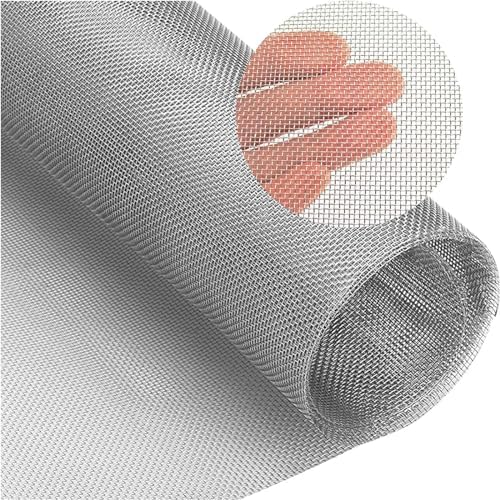

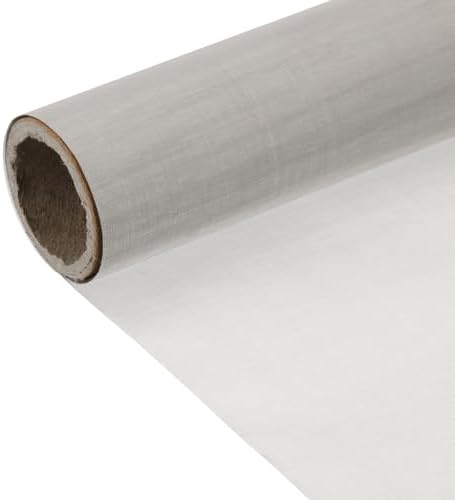
Woven wire mesh is a versatile material used across various industries, characterized by its strength and adaptability. This mesh is manufactured using intertwined wires, which can be crafted from several materials, each showcasing distinct properties suitable for specific applications. The three main types of woven wire mesh include stainless steel, carbon steel, and aluminum, each with unique characteristics that make them suitable for various environments.
Stainless steel woven wire mesh is renowned for its corrosion resistance, making it an ideal choice for applications involving exposure to moisture, chemicals, or high temperatures. Its strength and durability ensure a long service life, which minimizes the need for replacements, thereby reducing operational costs. Industries such as food processing, pharmaceuticals, and marine applications often utilize stainless steel mesh for its sanitary attributes as well.
On the other hand, carbon steel woven wire mesh, while less resistant to corrosion, offers excellent tensile strength and is commonly used in construction, mining, and architectural applications. This type of mesh is often galvanized or coated to improve its resistance to rust and degradation, making it a viable option for situations where exposure to the elements is likely. Its cost-effectiveness also makes carbon steel a popular choice for projects with budget constraints.
Aluminum woven wire mesh provides a lightweight alternative, making it suitable for applications that require lower weight constraints without compromising strength. It is notably resistant to corrosion, which makes aluminum mesh a fitting choice for applications in humid environments. Industries such as automotive, aerospace, and filtration systems frequently incorporate aluminum mesh due to its balance of lightweight properties and structural integrity.
Each type of woven wire mesh presents unique attributes that can be maximized in specific industrial applications, ensuring that businesses can choose the most suitable material for their needs.
Key Factors to Consider When Selecting Woven Wire Mesh
Selecting the appropriate woven wire mesh for your workplace needs involves careful consideration of several essential factors. Each of these elements plays a significant role in determining the effectiveness, durability, and suitability of the mesh for specific applications.
First and foremost, mesh size is crucial. The size of the openings in the mesh determines its ability to filter or screen materials. Smaller mesh sizes are ideal for applications requiring higher precision, such as in food processing or pharmaceutical industries, while larger mesh sizes may be suitable for general construction or fencing purposes. Therefore, understanding the intended use of the mesh is vital in selecting the right mesh size to ensure optimal performance.
Next, wire diameter should be taken into account. The thickness of the wire significantly influences the strength and flexibility of the woven wire mesh. A thicker wire typically offers enhanced durability and load-bearing capacity, making it preferable for heavy-duty applications. Conversely, a thinner wire may be more appropriate for lighter tasks, where flexibility is prioritized.
The weaving pattern is another important consideration when choosing woven wire mesh. Different patterns, such as plain weave, twill weave, or Dutch weave, provide varying structural characteristics and levels of strength. For instance, plain weave mesh offers uniformity and strength, while Dutch weave can provide higher filtration capabilities, making it suitable for specific industrial uses.
Load capacity also cannot be overlooked. Depending on the specific application, the woven wire mesh must meet specific load requirements. This factor often overlaps with wire diameter and mesh size, as both contribute to the overall strength and resilience of the woven wire mesh.
Evaluating these factors based on the intended use, environmental conditions, and relevant safety regulations will enable informed decision-making when selecting woven wire mesh. By balancing these key considerations, users can ensure their choice aligns with both operational needs and safety standards.
Applications of Woven Wire Mesh in the Workplace
Woven wire mesh is an exceptionally versatile product utilized across a variety of industries, each benefitting from its unique properties. In construction, for instance, woven wire mesh is frequently used in the creation of reinforcement for concrete, providing an essential strength component that ensures structural integrity. Its ability to withstand significant forces makes it a popular choice for both commercial and residential projects.
In the agricultural sector, woven wire mesh finds its application in fencing, offering a durable barrier that protects crops and livestock from intrusions. The design of this mesh allows for visibility while simultaneously ensuring security. Additionally, it can be employed for purposes such as plant support structures and animal enclosures, illustrating its adaptability to varied agricultural needs.
Manufacturing industries also benefit from woven wire mesh through its use in product sorting and separation processes. For example, in the screening of materials, this type of mesh effectively filters out undesirable components, contributing to a more efficient production line. The ability to customize the size and shape of the mesh openings further enhances its utility in diverse manufacturing operations.
In food processing, woven wire mesh plays a critical role in filtration and sieving applications. Its hygienic properties make it an excellent choice for ensuring the quality and safety of food products. Moreover, the mesh can be used in drying and cooking equipment, where it supports the efficient movement of air around food items, promoting even cooking and drying.
Overall, the applications of woven wire mesh in various industries highlight its significance as a multifunctional material. By addressing specific needs in construction, agriculture, manufacturing, and food processing, woven wire mesh exemplifies its value as a solution to distinct workplace challenges.
Tips for Maintenance and Care of Woven Wire Mesh
The longevity and effectiveness of woven wire mesh largely depend on consistent maintenance and care practices. To ensure this, it is essential to implement a regular cleaning schedule. Depending on the application and environmental conditions, cleaning methods may vary. For general upkeep, a simple dusting or water wash can remove surface particles, while more intensive cleaning may require brushes or mild detergents to eliminate stubborn dirt and grime. Avoid using harsh chemicals that can deteriorate the material.
Corrosion prevention is another key aspect of woven wire mesh maintenance. Regular inspections should be carried out to identify any initial signs of rust or wear. If corrosion is detected, it is crucial to address it promptly by cleaning the affected area and applying suitable protective coatings, such as galvanization or paint, to inhibit further deterioration. Maintaining a dry environment can also minimize the risk of corrosion, particularly in settings exposed to moisture or chemicals.
In addition to cleaning and preventing corrosion, routine inspections serve to assess the condition of the woven wire mesh. It is advisable to check for any loose wires, damaged sections, or other irregularities that may compromise its functionality. Such inspections should be scheduled at intervals defined by the specific operational demands and severity of conditions. Replacement of woven wire mesh should occur once significant wear or breakage is observed, or when it no longer meets industry safety standards. Establishing a replacement routine based on these evaluations will help maintain safety and compliance within the workplace.
Overall, adhering to these maintenance practices not only extends the lifespan of woven wire mesh but also ensures it continues to meet workplace requirements effectively and safely.