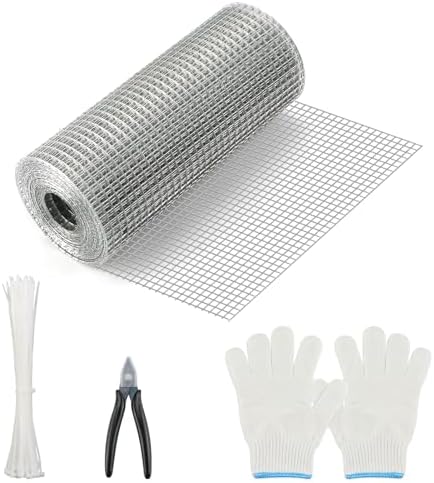
Understanding Metal Mesh Wire Cloth
Metal mesh wire cloth is a versatile material created by weaving metal wires together to form a grid-like pattern. It is commonly used in various industries, given its durability and functionality.




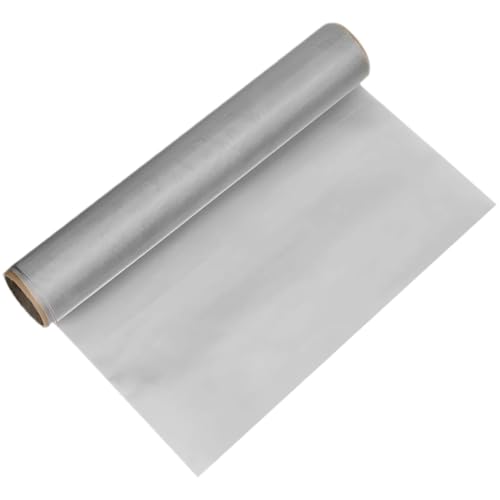


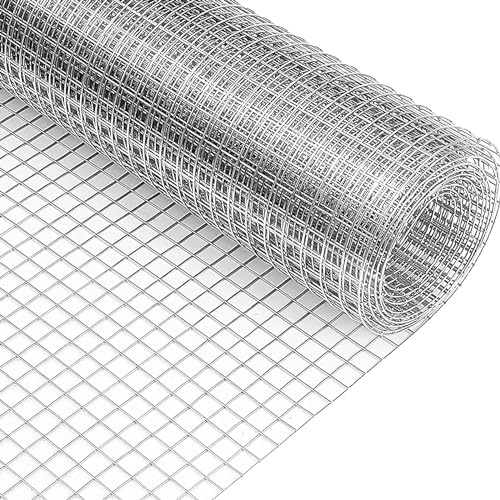


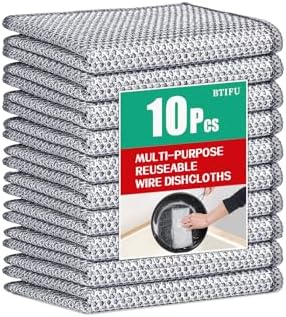
The composition of metal mesh can vary significantly, with common materials including stainless steel, galvanized steel, aluminum, and brass. Each type of metal offers distinct properties and advantages, contributing to the material’s diverse applications.
Stainless steel is one of the most popular choices for metal mesh wire cloth due to its excellent corrosion resistance and strength. It is often employed in environments where hygiene is paramount, such as in food processing or medical applications. On the other hand, galvanized steel, which is coated in a layer of zinc, excels in outdoor settings and provides added protection against oxidation. This makes it an ideal choice for construction projects and outdoor installations where exposure to moisture is prevalent.
Metal mesh wire cloth comes in various configurations, including different mesh sizes, wire diameters, and patterns. The mesh size refers to the number of openings per inch and can range from very fine, suitable for filtration applications, to larger openings for heavier-duty uses. Depending on the application, metal mesh wire cloth can function as a barrier, filter, or even a decorative element. In the automotive industry, for instance, it is often used for filters in oil and fuel systems, while in construction, it may serve as reinforcement for concrete or as a safety barrier.
In summary, the various materials and types of metal mesh wire cloth provide a broad range of applications across different industries. Understanding these properties allows for informed decision-making when sourcing from suppliers, ensuring the right choice for specific needs.
Top Metal Mesh Wire Cloth Suppliers in the UK
When searching for metal mesh wire cloth in the UK, it is essential to consider various suppliers that cater to a range of requirements, from industrial applications to niche projects. Here is a curated list of leading metal mesh wire cloth suppliers that are known for their quality products and reliable service.
1. Wire Cloth Manufacturers Ltd. Located in Birmingham, Wire Cloth Manufacturers Ltd. specializes in producing a wide variety of wire mesh products, including stainless steel mesh, filter mesh, and security mesh. They pride themselves on their custom manufacturing capabilities, ensuring that they can meet specific client requirements.
2. Metal Mesh Ltd. Based in London, Metal Mesh Ltd. is renowned for its extensive inventory of wire cloth and mesh products including welded wire mesh, woven wire cloth, and expanded metal mesh. They also offer bespoke services, catering to industries such as architecture and food processing.
3. Universal Wire Cloth Ltd. Operating from Manchester, Universal Wire Cloth Ltd. supplies an array of wire meshes and cloths suitable for various industrial applications. Their focus on customer satisfaction and product quality makes them a preferred choice among manufacturers and contractors.
4. A1 Metal Mesh Based in Edinburgh, A1 Metal Mesh stands out with their innovative approach to metal mesh supplies. They specialize in architectural steel mesh designs and decorative mesh, allowing their products to serve not just functional purposes but aesthetic needs as well.
5. Wireworks This supplier, located in Leeds, offers an extensive range of metal mesh options, including precision wire mesh for filtration and heavy-duty grades for construction use. Wireworks emphasizes sustainability by sourcing materials responsibly, which appeals to environmentally-conscious businesses.
These suppliers exemplify the diversity and quality available in the UK metal mesh wire cloth market, ensuring there are options suitable for both industrial and DIY needs. When selecting a supplier, it is advisable to consider specific project requirements, as each company has its specialized offerings.
Factors to Consider When Choosing a Supplier
When selecting a metal mesh wire cloth supplier, several key factors should be carefully considered to ensure you make an informed decision. One of the most critical aspects is the supplier’s reputation. Researching a potential supplier’s background, history, and previous client comments can give insight into their reliability and customer satisfaction. Online reviews, ratings, and testimonials can serve as valuable resources in assessing their standing in the industry.
Another important consideration is the quality of the products offered. Suppliers should provide metal mesh wire cloth that meets industry standards and your specific requirements. Requesting samples before committing to a large order is an effective way to evaluate product quality firsthand. Examine the mesh weave, material composition, and any certifications that may support the product’s intended use.
Customer service is equally vital when choosing a supplier. A responsive, knowledgeable, and friendly support team can significantly enhance your purchasing experience. Inquire about their communication practices; ideally, you should be able to reach them easily with any questions or concerns during your selection process.
Pricing is another crucial factor. While it’s beneficial to find competitive prices, it’s also essential to balance cost against quality. Opting for the lowest price may not always result in the best value. It’s advisable to obtain quotes from multiple suppliers and compare their offerings based on pricing, product specifications, and service levels.
Lastly, take into account the delivery options. Reliable and prompt delivery is essential for maintaining your project timelines. Investigate the supplier’s shipping policies, estimated delivery times, and any associated fees. By thoroughly assessing these factors, you can confidently select a metal mesh wire cloth supplier that aligns with your needs and expectations.
Future Trends in the Metal Mesh Wire Cloth Industry
The metal mesh wire cloth industry is on the brink of significant evolution, driven by technological advancements and changing market demands. One prominent trend is the continuous improvement in material technology. Manufacturers are increasingly utilizing innovative alloys and composite materials that enhance the strength and durability of wire cloth products. These advancements not only contribute to the longevity of the wire cloth but also enable its application in diverse industrial environments.
In addition to material advancements, there is a growing emphasis on eco-friendly practices within the industry. As global awareness regarding environmental sustainability increases, suppliers are exploring the use of recycled materials and sustainable production processes. Initiatives aimed at minimizing the carbon footprint during manufacturing are being adopted by several companies, thereby appealing to environmentally conscious consumers.
Another significant trend is the shifting market demand, particularly towards custom solutions. Customers today are looking for specialized products tailored to their unique needs rather than one-size-fits-all options. This demand is prompting suppliers to offer a broader range of customization options, from size and shape to mesh density and finish. Such flexibility is expected to reshape the competitive landscape, encouraging suppliers to remain adaptable and responsive to customer requirements.
The integration of digital technology also plays a crucial role in this evolution. Many manufacturers are adopting advanced technologies such as automation and real-time data analytics to streamline production processes and enhance quality control. This not only improves efficiency but also allows for quicker adaptation to changing market needs.
In conclusion, the metal mesh wire cloth industry is poised for significant transformation driven by innovations in materials, sustainability efforts, customization demands, and technological integration. Remaining informed about these trends will be essential for both suppliers and customers as they navigate the complexities of the industry in the coming years.